
Björn Carlsson Art
Imagination and Movement
On Visual Work
The world is not around us. It flows through us. In through imagery, sound, flavour, scent and touch. Out through movement. It is how we perceive, interpret and understand the world, enabling us to connect and communicate — to take part.
Visual work occupies a particular place in that exchange. Drawing, painting and imagery train attention, imagination and movement, sharpening the ways in which we perceive, interpret and give form to experience.
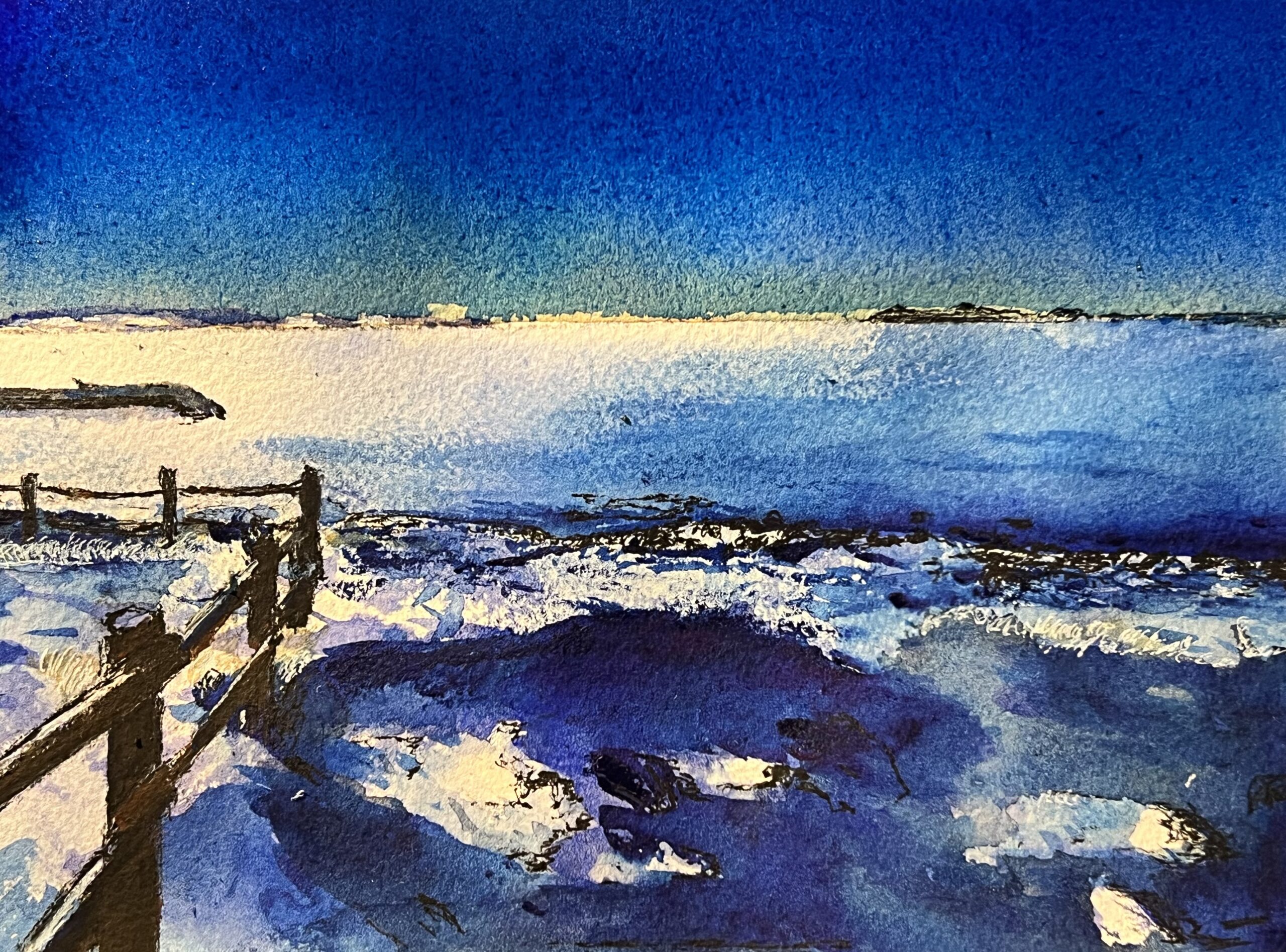
Watercolor
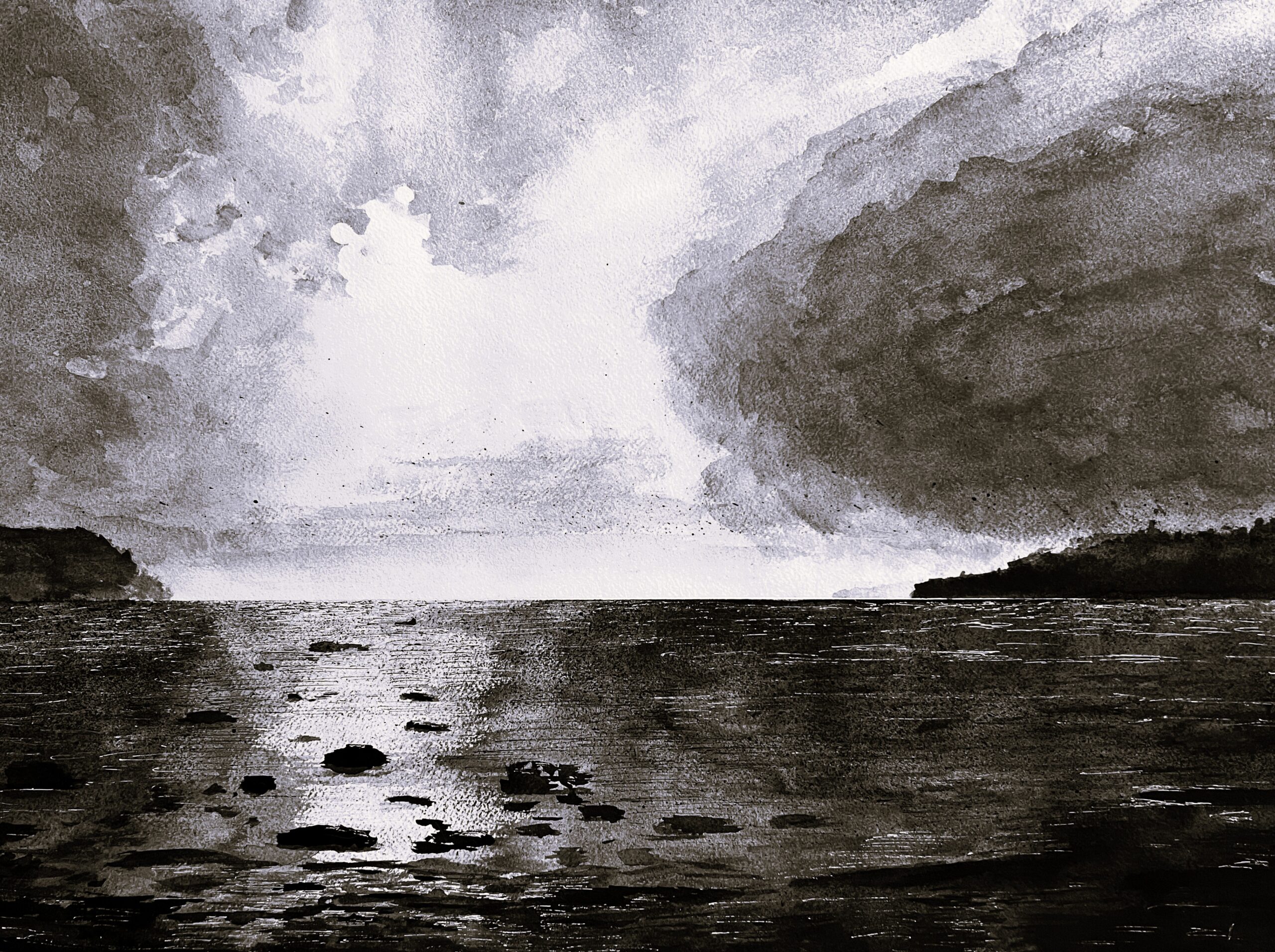
Ink
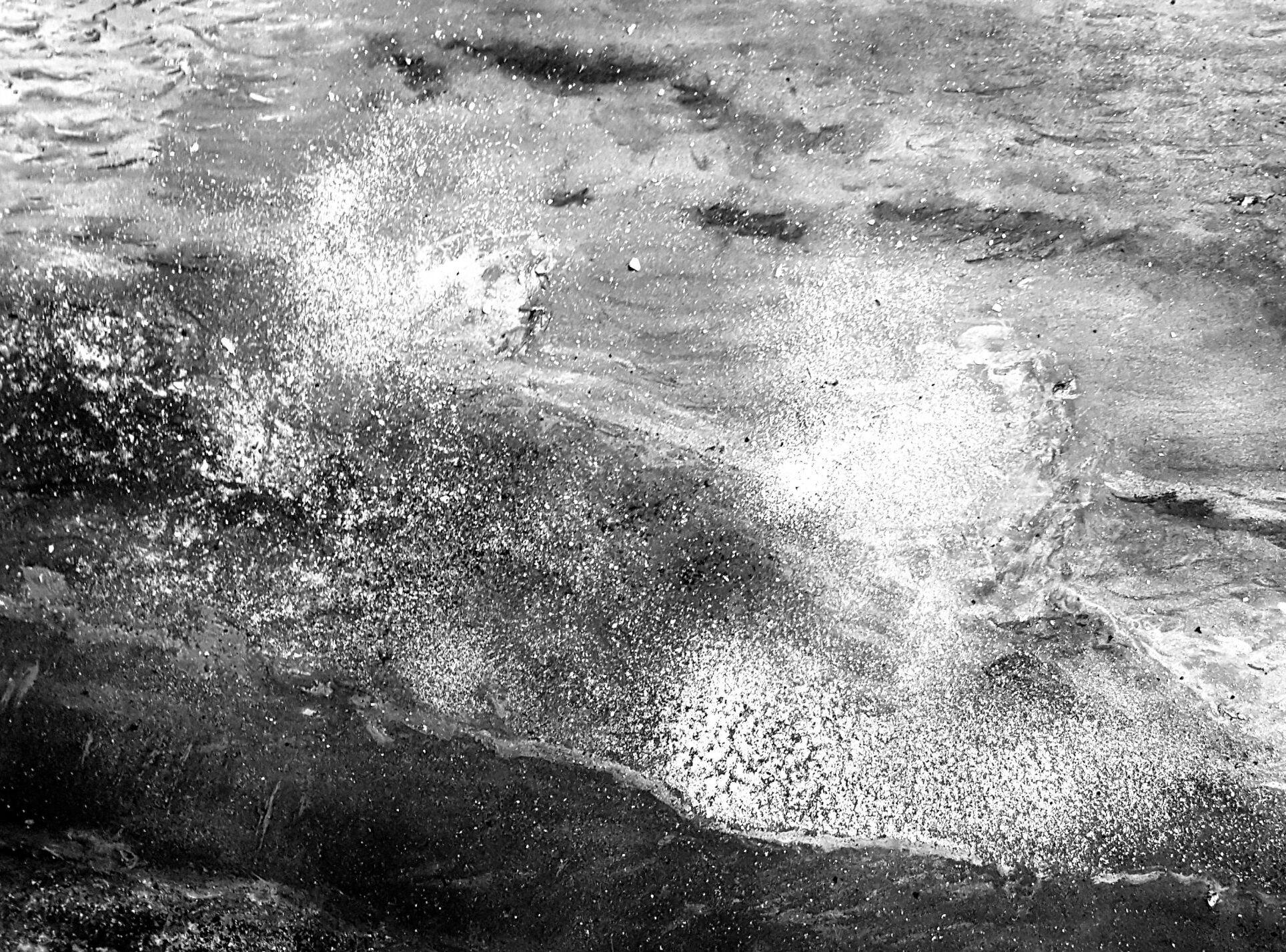
Charcoal
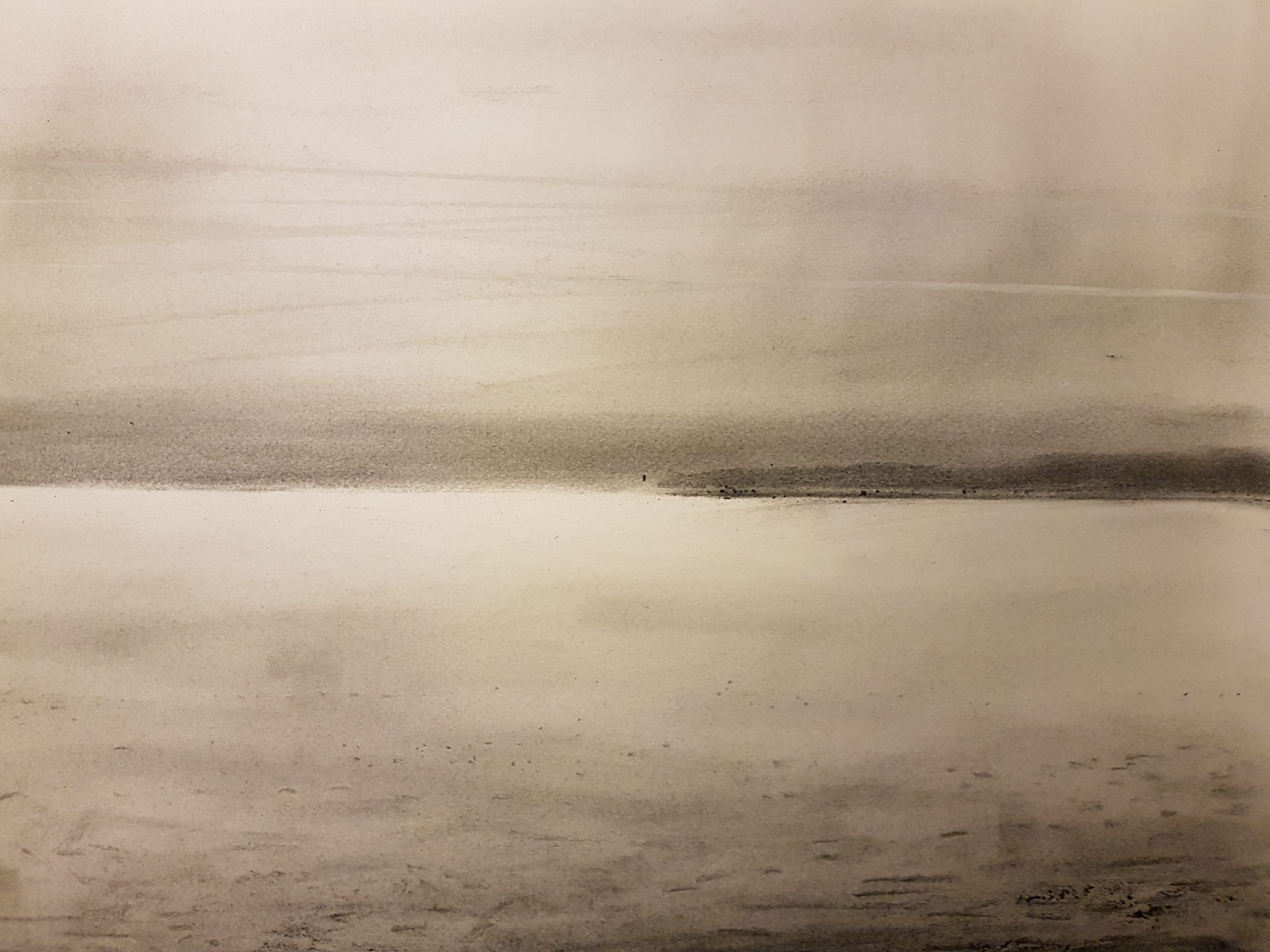
Graphite
Connections
Imagery is also deeply shaped by culture. It carries place, memory, symbols and ways of seeing, while retaining the capacity to create recognition across cultural boundaries.
The small selection shown here spans several media and is drawn from the landscape around my home on the west coast of Sweden. The sea serves as a portal to the world. One step into it and you are already in Hobart.
If you imagine.
The ocean as a connector, not a divider.
Visual Development
Our relationship with the world is not limited to perception and response. We also form worlds within us — ideas, concepts, characters, places and possibilities that do not yet exist. The images in this section are storyboard studies for a ballet and symphonic work in development (Scarecrow). They explore character, atmosphere and dramatic space before these elements take final form in music and movement.
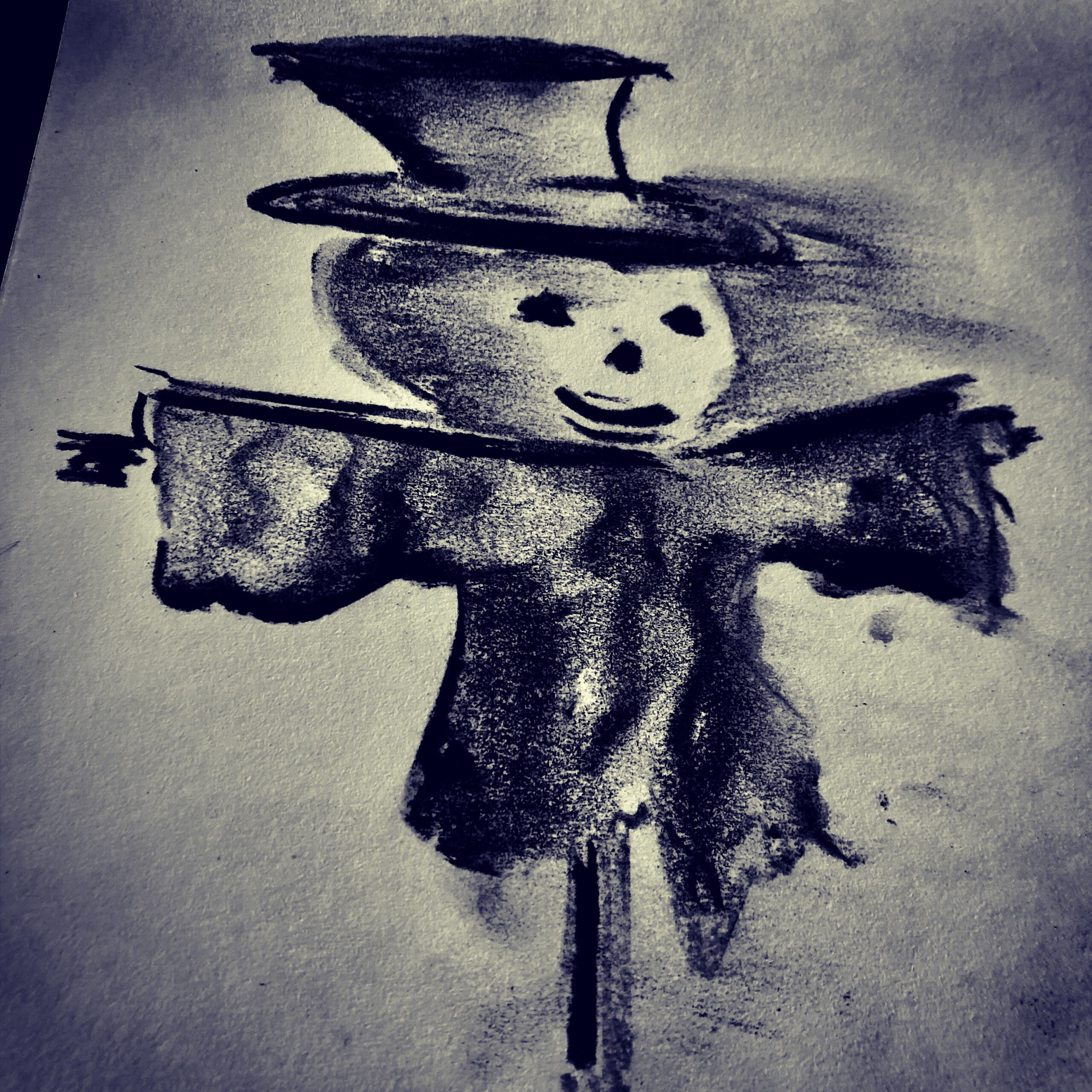
Scarecrow
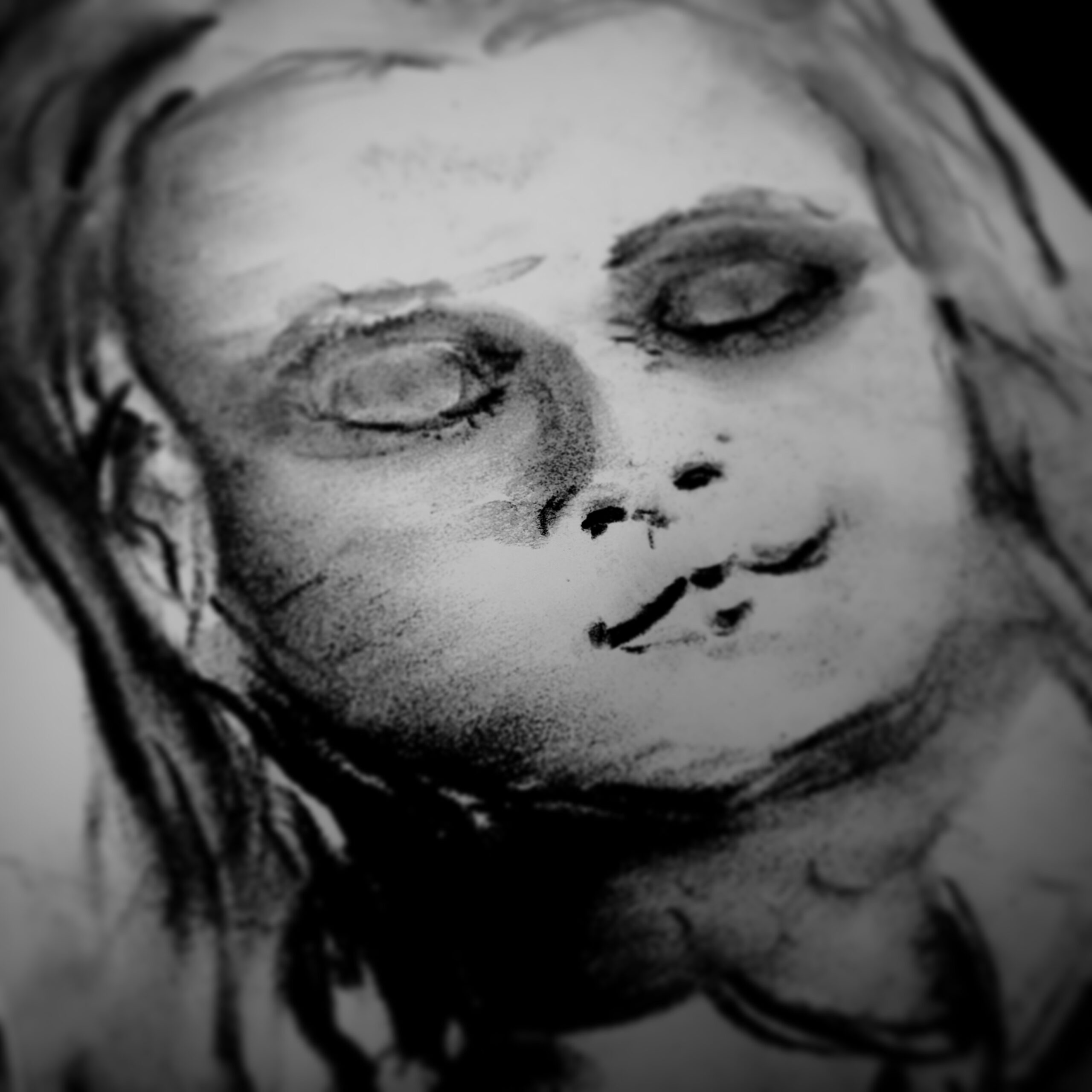
The Girl with the Giant Eyes
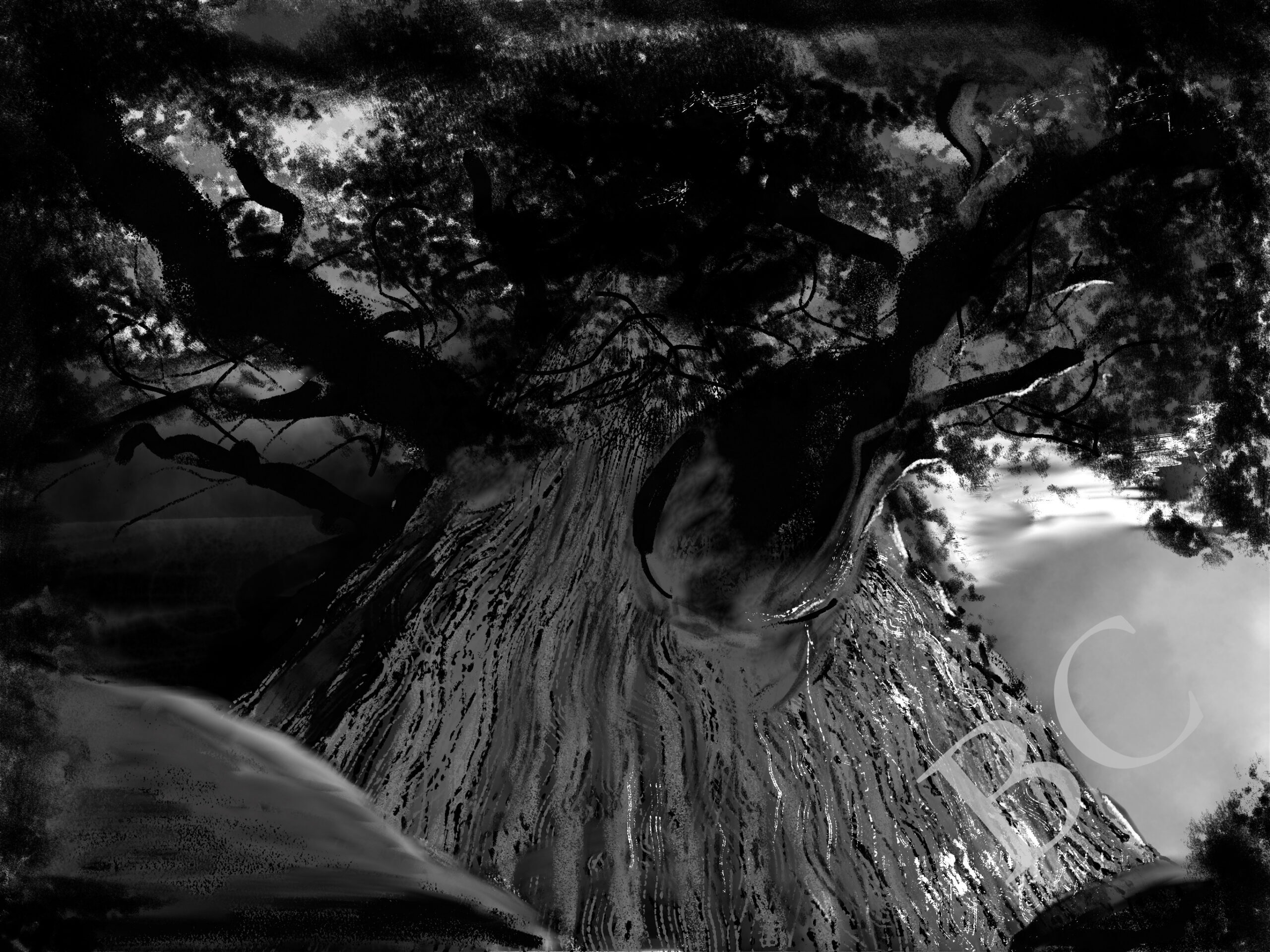
Castle of the Crows
Forces in Motion
Storytelling
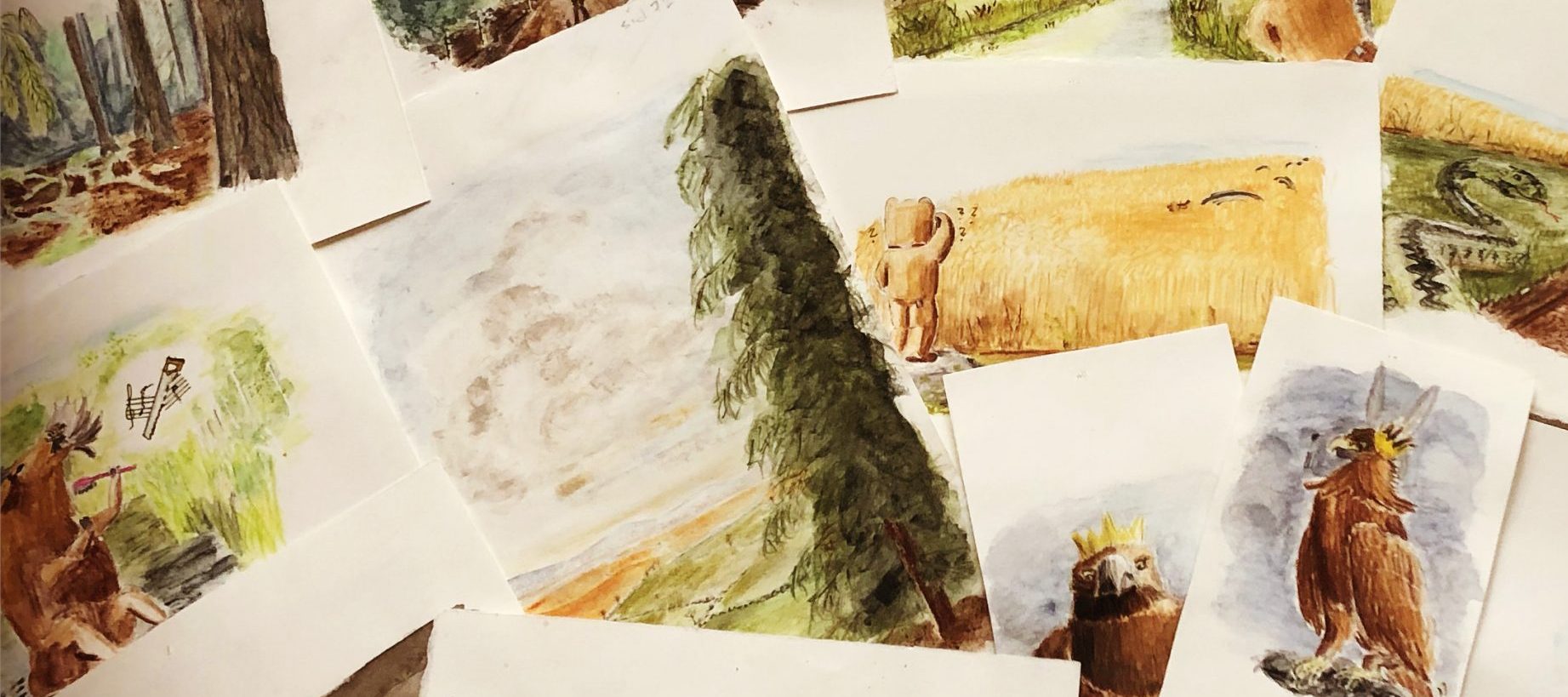
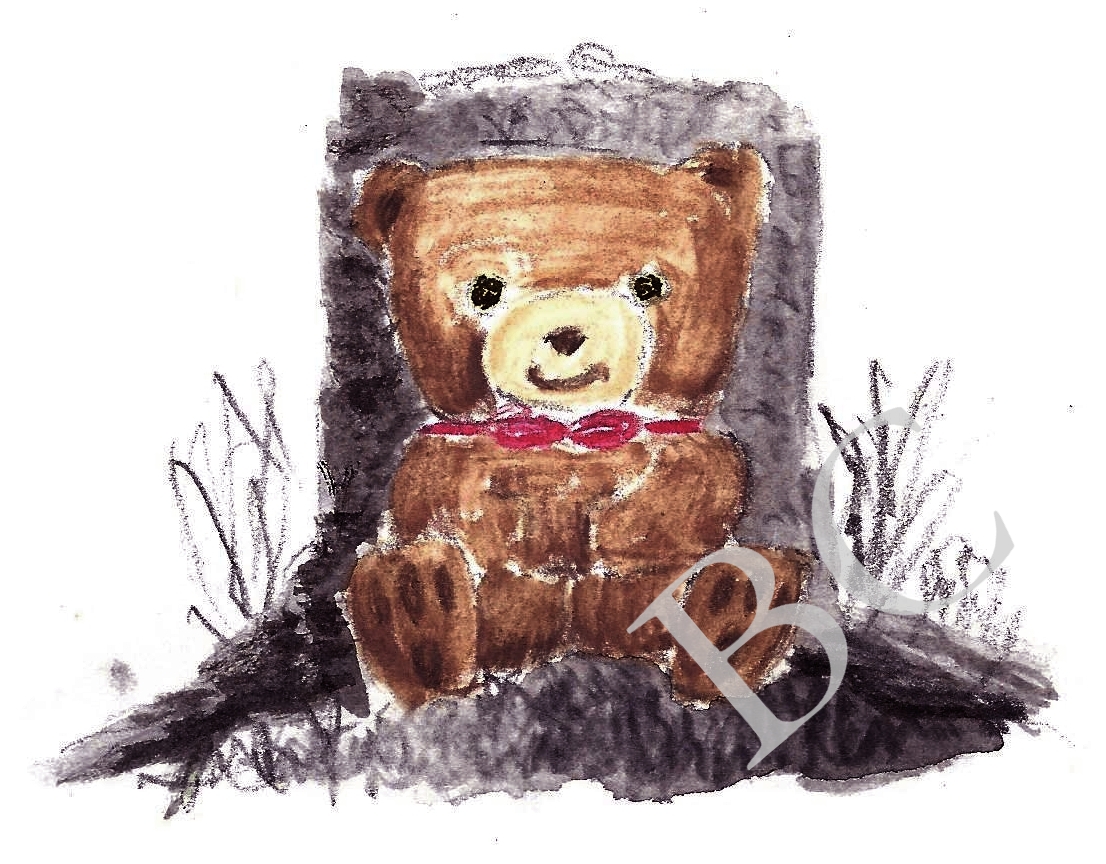
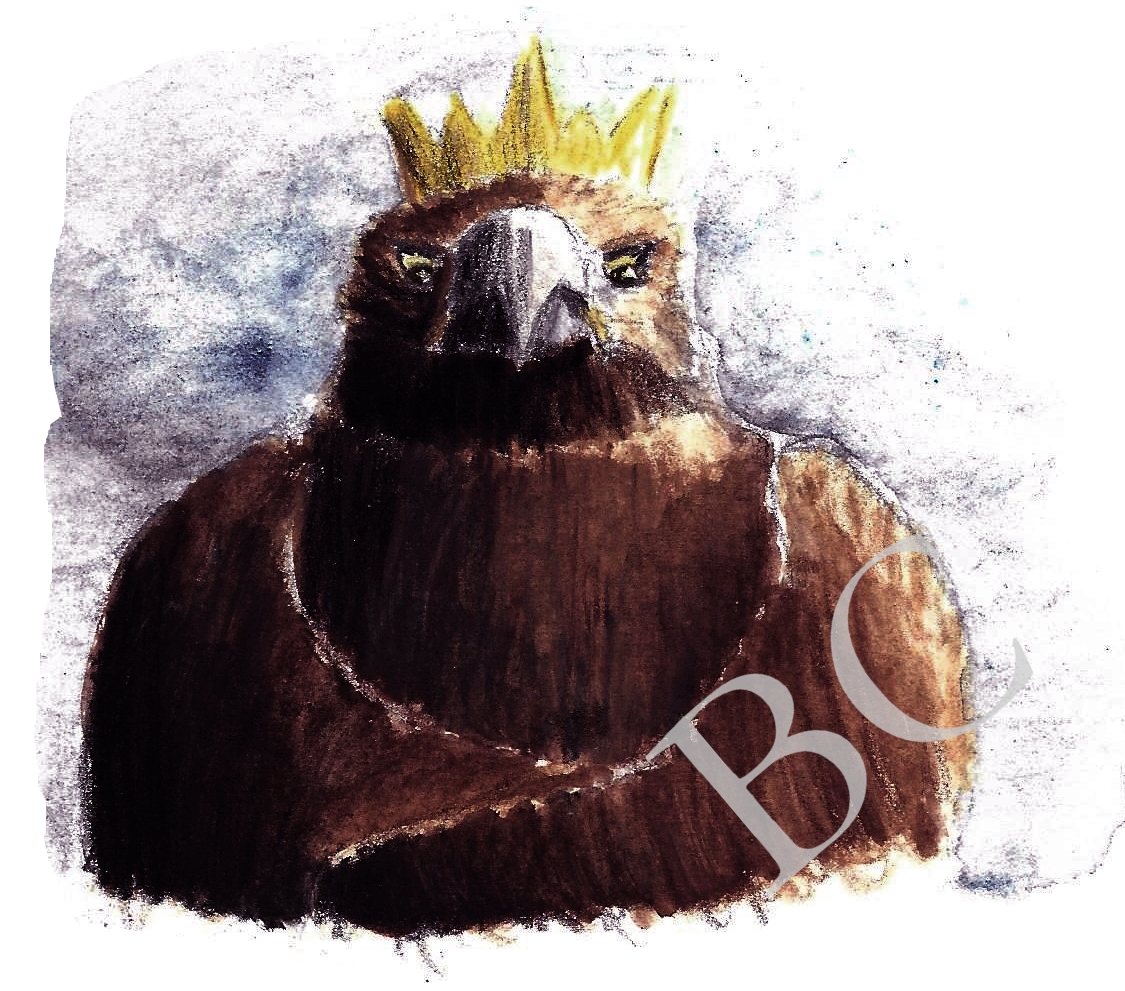
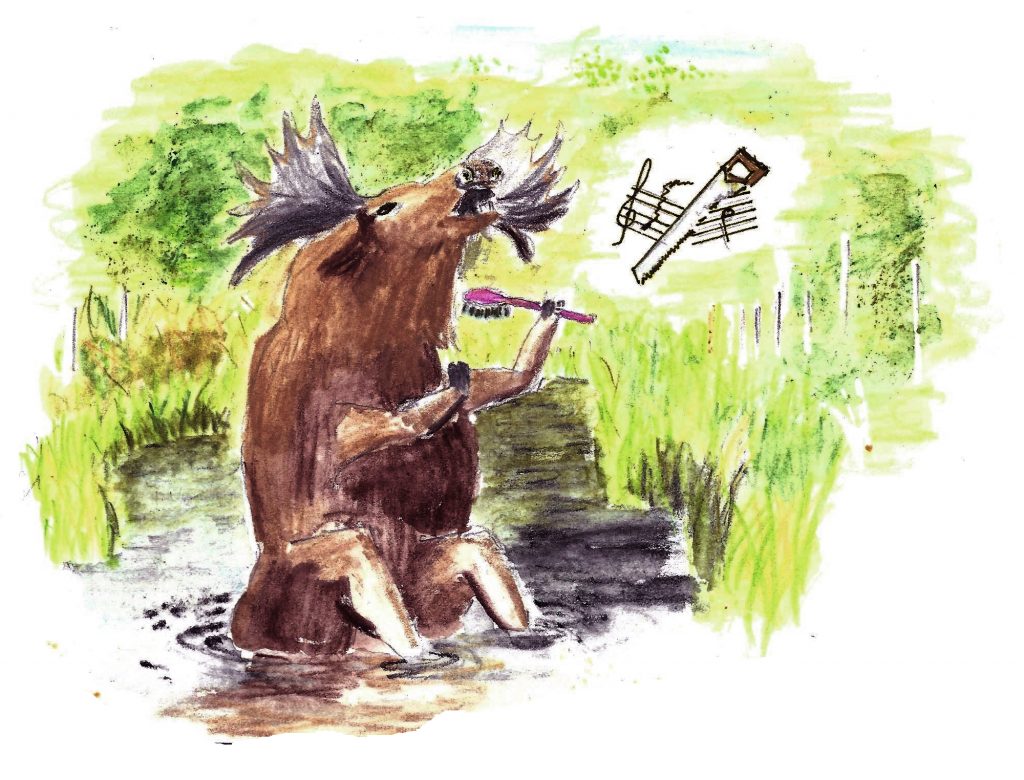
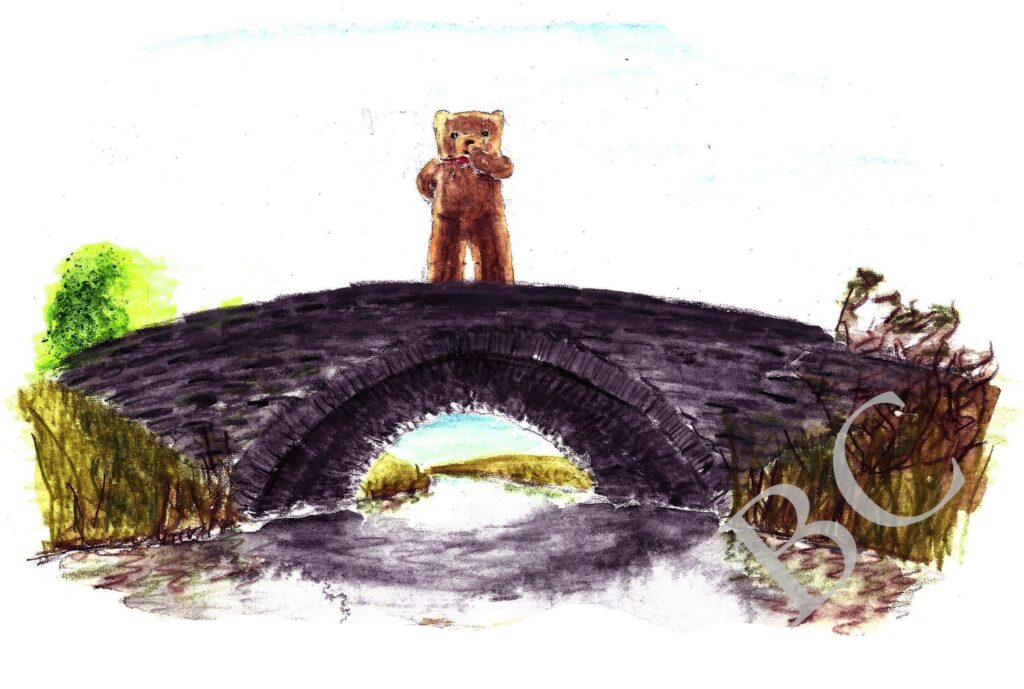
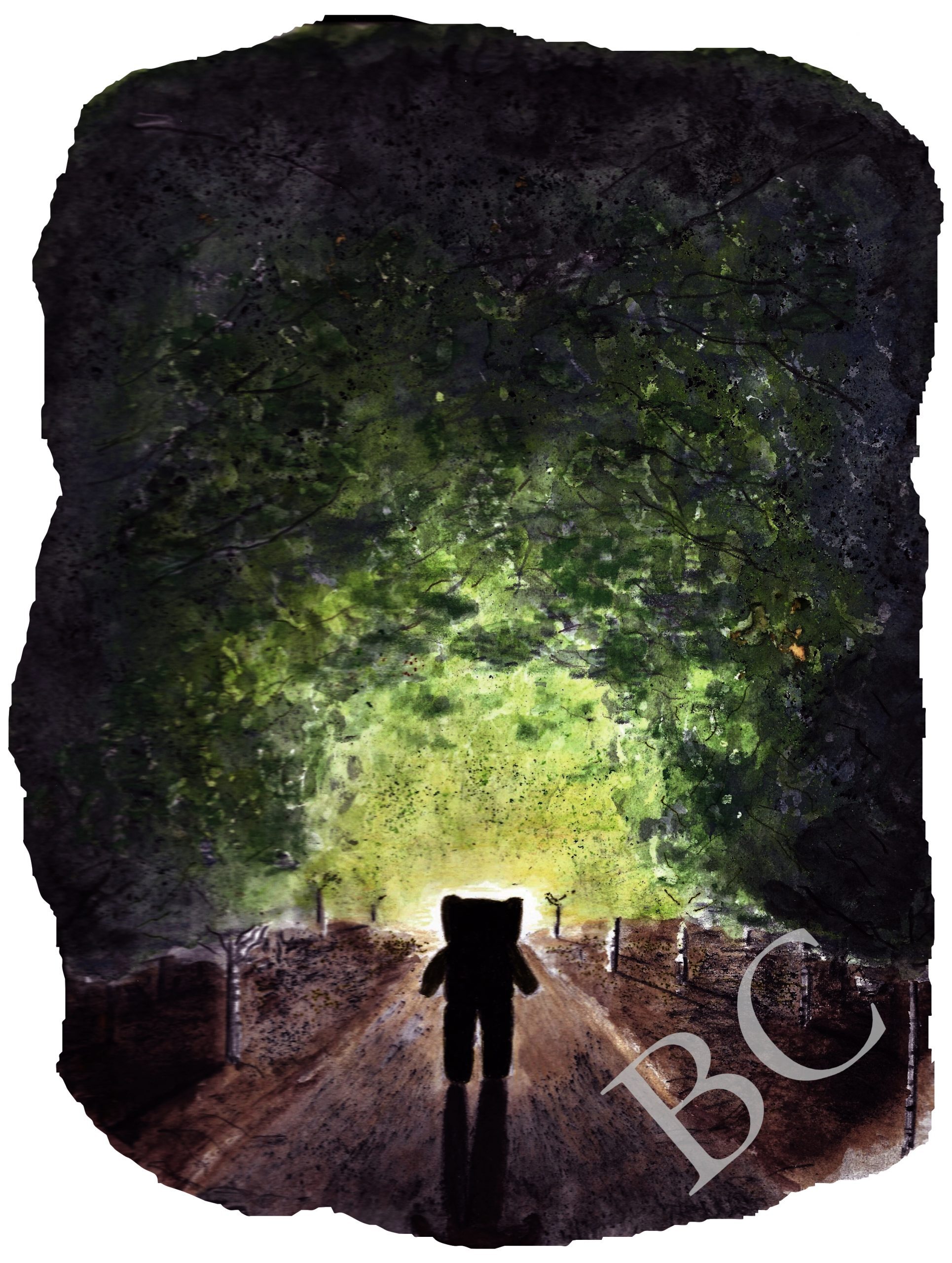
These images belong to a children’s book that was written thirty-two years ago, when my first child was born.
It is a story told for fun, but also with the purpose of awakening curiosity about the world — its places, people, animals and differences — and about the connections that make it whole.
The main character loses his way and tries to find his way home. But the more he learns about the world he has entered, and the more characters he meets along the way, the more he begins to understand that the world is connected — that everything belongs to the same larger whole.
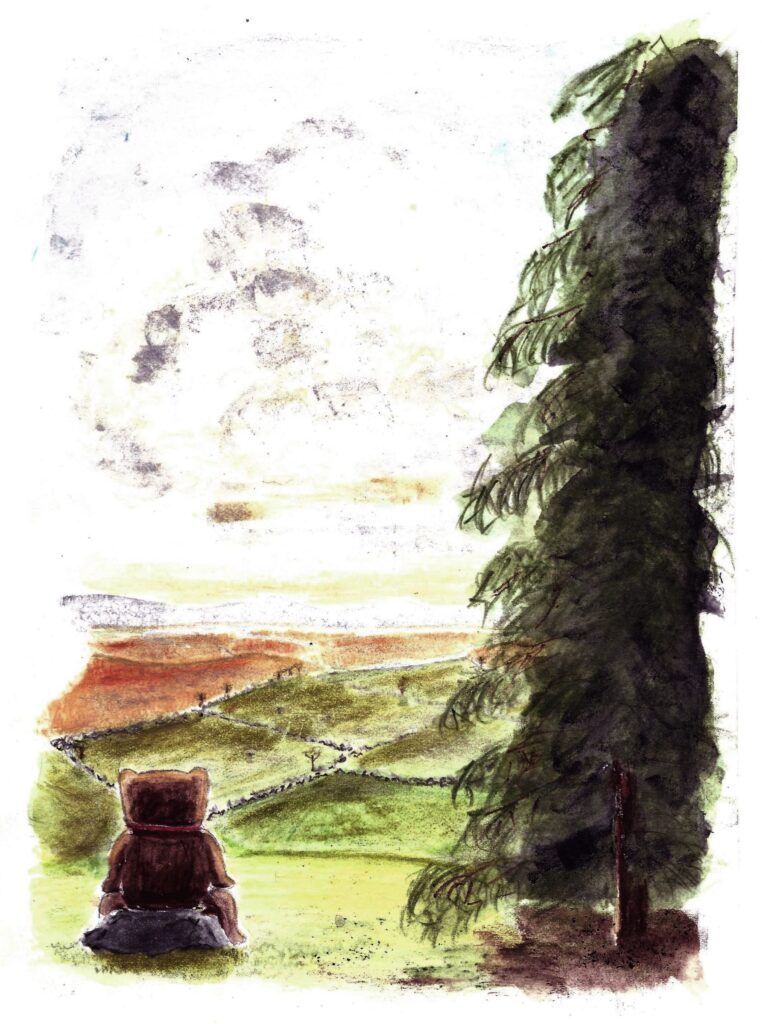
Homecoming
In the end, he realises that home is not only the place from which he started. When he is finally reunited with his best friend, it happens somewhere entirely different. Yet, by then, it has still become a homecoming.
In storytelling, homecoming is not always a return to where we began. Sometimes it is the moment when the world is understood differently.
The images shown here offer a glimpse into the process through which the story came to life. In parallel, a short symphonic suite was composed as a musical companion to the story.
The music can be explored on this site’s sister site, Björn Carlsson Music.
Imagination and Movement
The world is not around us. It flows through us.
We let it in through our senses. We imagine it, form it within us, compare it with what we already know and allow it to change us.
Then we return something to the world through movement.
Sometimes the movement is almost invisible: a neural connection, a breath, the shaping of a word. Sometimes it is large and deliberate: building, operating, making, teaching, writing, dancing, playing music or painting.
This is also how we learn. We perceive, imagine, test, act, adjust and, maybe most importantly, we share, convey, teach, support — lend a hand. Then we begin again.
Mind and body are not separate from each other. They are one living system, continuously learning through this exchange between what comes in and what goes out.
The loop of imagination and movement never really ends. It is how we develop, how we contribute and, in a very literal sense, how we live.
Reach Björn through